Mastering Design with Decorative Lines Procreate Brushes: A Comprehensive Guide
In the rapidly evolving world of digital illustration, having the right tools can make the difference between a good design and a great one. Among the most versatile and impactful tools available to digital artists today are Decorative Lines Procreate Brushes. These specialized brushes offer users more amazing choices when creating their next design, transforming simple sketches into polished, professional artwork. Whether you are a seasoned graphic designer or a hobbyist just starting your creative journey, understanding how to leverage these assets can significantly elevate your workflow.
The appeal of decorative lines lies in their simplicity and elegance. They provide a clean, smooth, and modern feel that ensures a professional and engaging aesthetic for all users. But beyond their visual appeal, these brushes serve a functional purpose. They act as foundational elements in layout design, helping to guide the viewer’s eye, separate content, and add texture without overwhelming the composition. In this article, we will explore the purpose, significance, and practical applications of decorative line brushes in Procreate, helping you build a broader understanding of how they fit into modern creativity.
Understanding the Role of Decorative Lines in Digital Art
At their core, decorative lines are exactly what they sound like: linear elements designed to embellish and structure a piece of art. However, in the context of Procreate, they are far more than just straight strokes. Decorative Lines Procreate Brushes are engineered to produce consistent, high-quality vectors and raster lines that maintain their integrity regardless of scale or pressure. This consistency is crucial for maintaining a cohesive look across a project.
Many beginners mistakenly believe that drawing perfect lines requires exceptional hand-eye coordination. While skill is important, the right brush engine does the heavy lifting. These brushes often come with stabilization features or pre-set textures that mimic traditional ink pens, markers, or even metallic foils. This allows artists to focus on composition rather than struggling with shaky hands or inconsistent stroke widths. The result is a streamlined process where creativity flows uninterrupted by technical friction.
Why Modern Designers Prefer Digital Line Work
The shift from traditional media to digital platforms like Procreate has been driven by the need for efficiency and flexibility. Decorative lines in a digital format offer several advantages:
- Editability: Unlike ink on paper, digital lines can be resized, recolored, and repositioned without loss of quality.
- Versatility: A single brush set can generate borders for invitations, patterns for textiles, or accents for web graphics.
- Consistency: Pre-made brushes ensure that every line matches the others in weight and style, creating a unified brand identity.
This adaptability makes decorative line brushes an essential resource for anyone involved in visual communication, from social media managers creating story templates to wedding designers crafting bespoke invitations.
Practical Applications: From Borders to Patterns
One of the greatest strengths of Decorative Lines Procreate Brushes is their multifunctionality. They are not limited to a single use case; instead, they can be adapted to various design needs. Let’s explore some of the most common and effective ways to utilize these brushes in your projects.
1. Border Creation for Invitations and Cards
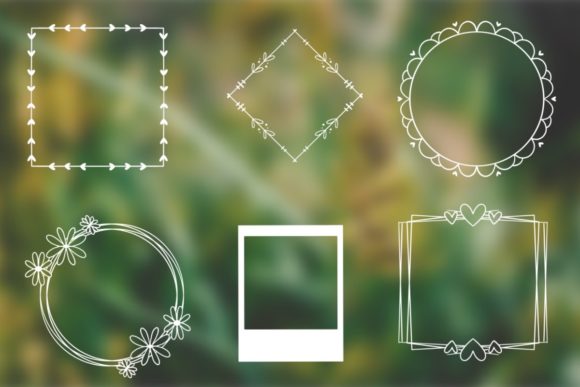
Perhaps the most popular use for decorative lines is creating borders. Whether you are designing a wedding invitation, a birthday card, or a certificate, a well-crafted border frames the content and adds a touch of sophistication. Using Procreate brushes, you can quickly draw corner elements and connect them with straight or curved lines. Because these brushes are optimized for smoothness, the resulting borders look crisp and intentional, avoiding the jagged edges that often plague freehand digital drawing.
For example, a minimalist floral border can be created using thin, organic line brushes. By layering these lines with subtle color gradients, you can achieve a depth that mimics letterpress printing, adding a tactile quality to a digital file.
2. Pattern Creation and Surface Design
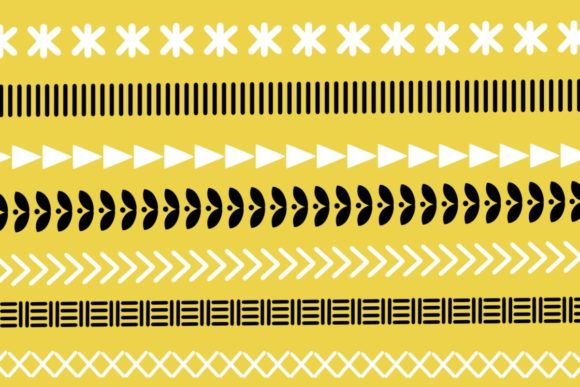
Decorative lines are also fundamental in creating seamless patterns. By repeating specific line motifs—such as hatches, waves, or geometric shapes—you can generate complex backgrounds for packaging, fabrics, or wallpapers. Procreate’s symmetry tools combined with decorative line brushes allow for rapid pattern generation. Artists can create a single tile of line work and then duplicate it to form a continuous design. This technique is particularly useful for surface designers who need to produce large volumes of unique patterns efficiently.
3. Enhancing Typography and Layouts
Lines play a critical role in typography. They can be used as underlines, strikethroughs, or dividers between sections of text. In editorial design or social media graphics, decorative lines help break up large blocks of text, making the content more digestible. A simple flourish above a header or a dotted line separating two columns can significantly improve readability and visual hierarchy. These small details signal professionalism and attention to detail, qualities that are highly valued in commercial design.
Choosing the Right Brush for Your Aesthetic
Not all decorative line brushes are created equal. When selecting a brush set, it is important to consider the specific aesthetic you wish to achieve. Here are a few factors to keep in mind:
- Line Weight: Do you need hairline thin strokes for delicate elegance, or bold, thick lines for a modern, impactful look? Many brush sets offer variable pressure sensitivity, allowing you to control weight dynamically.
- Texture: Some brushes mimic the roughness of charcoal or the bleed of watercolor, while others provide a perfectly smooth vector-like finish. Choose a texture that complements the rest of your design elements.
- Style: Are you aiming for a vintage, ornate look with swirls and curls, or a contemporary, minimalist style with clean geometric shapes? Ensuring the brush style aligns with your project’s theme is crucial for coherence.
It is also worth noting that many high-quality brush sets include bonus resources, such as pre-made shapes or stamps. These can save time and provide inspiration for how to combine different line elements effectively.
Common Misunderstandings About Digital Brushes
Despite their popularity, there are some misconceptions about using pre-made brushes. One common assumption is that using decorative brushes is "cheating" or lacks artistic merit. In reality, professional artists have always used tools to aid their process—from ruling pens in the 19th century to custom Photoshop actions today. The skill lies not in drawing every pixel from scratch, but in knowing how to arrange, modify, and integrate these elements into a cohesive whole.
Another misunderstanding is that these brushes are only for experts. On the contrary, Decorative Lines Procreate Brushes are incredibly beginner-friendly. They lower the barrier to entry for creating professional-looking designs, allowing novices to produce work that feels polished and complete. This empowerment encourages experimentation and learning, fostering a deeper engagement with the design process.
Integrating Decorative Lines into Your Workflow
To get the most out of your decorative line brushes, consider integrating them into a structured workflow. Start by sketching your layout loosely. Once the composition is established, create a new layer specifically for your line work. This separation allows you to adjust opacity, color, and blending modes without affecting the underlying sketch or background.
Experiment with blending modes such as Multiply or Overlay to see how your lines interact with colored backgrounds. Often, a black line may look too harsh on a pastel background, whereas a dark blue or brown line might blend more harmoniously. Don’t be afraid to erase parts of the line or use the liquify tool to adjust curves after drawing. The digital medium invites iteration, so take advantage of it.
Conclusion
Decorative Lines Procreate Brushes are more than just a collection of digital tools; they are a gateway to enhanced creativity and professional-grade design. By offering clean, smooth, and modern aesthetics, these brushes empower users to create stunning borders, intricate patterns, and engaging layouts with ease. Whether you are designing invitations, crafting social media content, or exploring surface design, mastering these brushes can transform your artistic output.
As you continue to explore the capabilities of Procreate, remember that the best tool is the one that helps you express your vision most effectively. Embrace the versatility of decorative lines, experiment with different styles, and let these resources inspire your next masterpiece. For more tips on digital illustration and design resources, consider exploring our other guides on digital art techniques and Procreate workflow optimization.